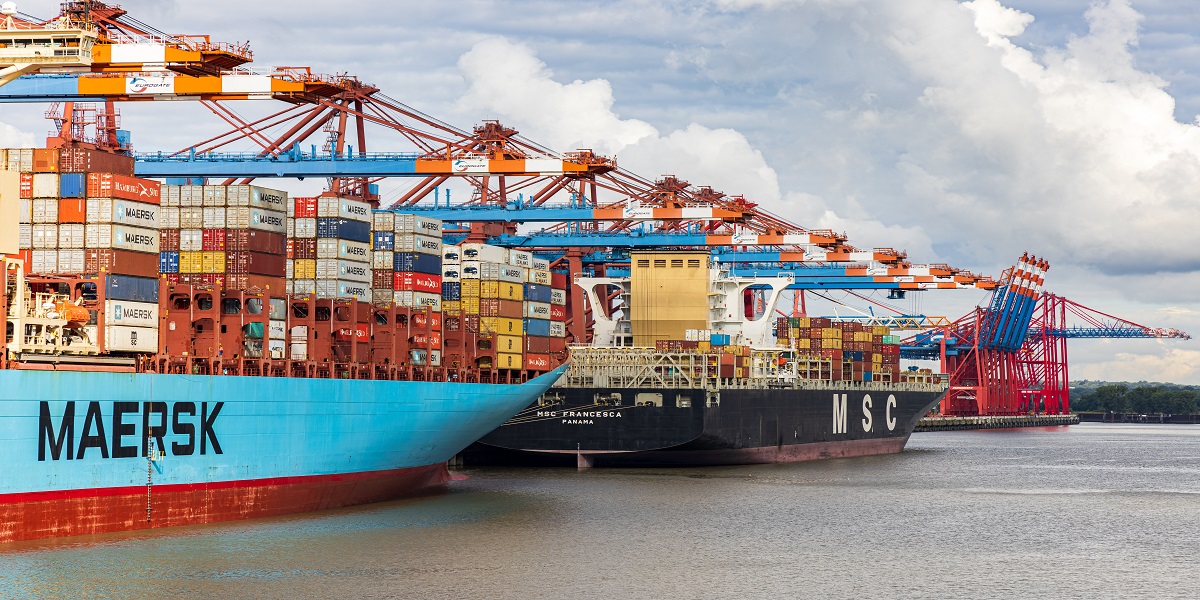
Ports are the lifeblood of civilizations and nations, with far-reaching implications across a wide range of sectors. From defence to the economy and financial sector, shipping ports are in charge of a country's prosperity.
Because of the numerous advantages afforded by ports, countries with extensive coasts are able to quickly expand and grow.
Inland countries rely on coastal nations for a variety of goods and services, allowing trade and business to flourish.
A port is a specified structure that allows ships and other boats to berth and dock. They may be transporting things such as gasoline, food, animals, timber, and so on, or they may be moving people between countries.
Below are the lists of top container traffic around the globe.
- Shanghai Port, China
- Singapore Port, Singapore
- Shenzhen, China
- Ningbo-Zhoushan Port, China
- Guangzhou Port, China
- Busan Port, South Korea
- Hong Kong Port, Hong Kong Province / China
- Qingdao Port, China
- Tianjin Port, China
- Jebel Ali Port (Dubai) United Arab Emirates (UAE)
TEU traffic in 2019: 43.3 million
The Port of Shanghai surpassed the Port of Singapore to become the world's busiest port in 2010 and has maintained that position ever since. It was founded in 1842 and is currently administered by the Shanghai International Port Company Ltd., which manages the port as both a deep-sea and a river port. It is located on the East China Sea, with Hangzhou Bay to the south. It rose to prominence as a result of its strategic location near the junction of the Yangtze, Huangpu, and Qiantang rivers. The port is critical for commerce along China's east coast.
TEU traffic in 2018: 36.6 million
Since 2010, the Port of Singapore has become the world's second biggest port, and it is complemented by various facilities and terminals. It transports one-fifth of the world's containers, nearly half of the world's crude oil, and is the world's busiest trans-shipment port. Because there are no large-scale viable natural resources in the vicinity, this port enables significant economic growth. Because the Straits of Johor to the north are impassable, ships arrive through the Indian Ocean, Pacific Ocean, and the Singapore Strait. Keppel and Pasir Panjang are two of the major terminal operators. The PSA (Port of Singapore Authority) and Jurong Port are in charge of them.
TEU traffic in 2018: 27.7 million
The Shenzhen Port refers to a group of ports in China's Guangdong region that operate under an unified umbrella. The port is close to many major bays and canals that handle a high volume of container traffic. It has about 140 total berths for ships and is managed in two ports on the Eastern and Western sides, separated by the Kowloon peninsula. Because to its location on the Pearl River Delta, it is excellent for shipping services.
TEU traffic in 2018: 26.4 million
It is one of the world's busiest ports, located in the East China Sea near Hangzhou Bay and Shanghai municipality. It also includes the Beilun port (sea), the Zhenhai port (estuary), and the historic Ningbo port (inland river). Following the merging of the ports of Ningbo and Zhoushan in 2006, the port is now operated by the Ningbo Zhoushan Port Co. Ltd. It facilitates commerce with more than 90 countries and has more than 190 berths for ships of various weight classes. However, the frequent marine activity in the region has contaminated the water, causing international concern.
TEU traffic in 2018: 21.9 million
This port is the major port for sea-related shipping in the Guangdong area. Guangzhou Port Group Co. Ltd. operates it, and it has amalgamated with the adjacent Huangpu Port. It is the largest (all-inclusive) port in the South China area. It is an important port and transportation centre in the Pearl River Delta. The port has 4,600 berths available for various vessel sizes. Dredging activities are now taking place in order to enlarge the port and allow bigger tonnage boats to arrive.
TEU traffic in 2018: 21.7 million
Busan Port, located in Busan Harbor, is South Korea's largest port. Because of its location and the berthing facilities available, it is a very busy port. It now has a number of sister ports that serve customers from all over the world.
TEU traffic in 2018: 19.6 million
This seaport, which is located around Victoria Harbor in the South China Sea, is one of the busiest ports in terms of freight and passenger flow. The Port Operations Committee and the Marine Department are in charge of the port. Modern Terminals Ltd. (MTL), Hongkong International Terminals Ltd. (HIT), and Dubai Port International Terminals Ltd. are among the companies that maintain the port terminals (DPI). The nine terminals include berths for container vessels, government fleets, and ships due for repairs and maintenance. It is one of the most developed ports in the world, with several facilities available for a wide variety of ships and vessels.
TEU traffic in 2018: 18.3 million
The port is divided into four sections: Dagang, Qianwan, Huangdong Oil, and Dongjiakou. It is located in the Yellow Sea. The port has a number of partnerships in place with other ports to help with cargo and transportation. It is one of the world's busiest ports, having traffic from a variety of countries.
TEU traffic in 2018: 16 million
The Tianjin Port Group Ltd. Is a company that operates this port, which primarily services seaport and river port shipping. It used to be known as the Port of Tanggu, and it's in a strategic location. This port is Northern China's largest, with large-scale trade across numerous countries. The port has a number of facilities as well as a large number of berths for arriving vessels. It is a well-developed port that offers shipping and terminal services from a variety of reputable companies.
TEU traffic in 2018: 15 million
It is known as Mina Jebel Ali and is located in the world's largest man-made harbour and the Middle East's largest port. It was created in the 1970s to work with Port Rashid.
It is currently used as a base for US Navy aircraft carriers and other warships. The port of Jebel Ali boasts a variety of facilities and offers services from a number of well-known companies. The Dubai Port World organization is in charge of it. It has received multiple honours for its high level of development and equipment.